

Secrets of Storing Frozen Products Properly
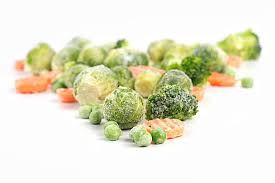
Proper storage is the key to maintaining the quality and value of frozen products. In this comprehensive guide, we’ll reveal professional secrets and techniques for storing frozen fruits and vegetables in the best possible way.
🌡️ The Ideal Temperature
The most important factor in storing frozen products is a stable temperature. Your freezer should be at -18°C (0°F) or below to keep products at their best for as long as possible.
Golden Rule
Every 5°C (9°F) increase in freezer temperature can cut the shelf life of frozen products in half! Always keep the temperature steady.
📦 Core Storage Rules
1. Airtight Packaging
Use airtight bags or containers to prevent air and moisture from getting in. Air is the enemy of frozen products because it causes:
- Freezer burn
- Loss of flavor and nutritional value
- Formation of large ice crystals
- Absorption of odors from other foods
2. Smart Organization
Organize your freezer by product type and storage date:
- Top shelf: most-used items and oldest dates
- Middle shelf: frozen vegetables and fruits
- Bottom shelf: large items and long-term storage
- Door: avoid placing sensitive products here (temperature fluctuates)
The "First In, First Out" rule — what enters the freezer first should be used first. This ensures products are used before they expire.
🏷️ Labeling and Dating
Always label each item with:
- Product name
- Freezing date
- Quantity or weight
- Expected expiry date
Freezer Shelf Life
Frozen fruits: 8–12 months • Frozen vegetables: 8–12 months • Berries: 12–18 months • Leafy greens: 8–10 months
❌ Common Mistakes to Avoid
1. Refreezing After Thawing
Do not refreeze products after they have fully thawed. This leads to:
- Loss of nutritional value
- Changes in taste and texture
- Potential bacterial growth
2. Overpacking the Freezer
Leave enough space for cold air circulation. An overly packed freezer leads to:
- Higher internal temperature
- Higher energy consumption
- Uneven freezing
3. Frequent Door Opening
Each time you open the door, warm air and moisture enter. Try to:
- Take out everything you need at once
- Close the door quickly
- Know where everything is before you open
🧊 How to Handle Freezer Burn
Freezer burn occurs when food is exposed to air. To avoid it:
- Use vacuum-seal bags
- Press out air from bags before sealing
- Wrap items in two layers of plastic wrap
- Use airtight containers
Pro Tip
If freezer burn appears on an item, don’t toss it! Trim the affected parts and use the rest. It’s still safe to eat, even if some quality is lost.
🔄 Freezer Cleaning & Maintenance
To keep your freezer clean and efficient:
- Clean the freezer every 3–6 months
- Defrost built-up ice if it exceeds 6 mm (¼ inch)
- Check the door seals regularly
- Clean the rear coils once a year
- Check the thermostat monthly
⚡ During a Power Outage
When the power goes out:
- Do not open the freezer door unless absolutely necessary
- A full freezer stays cold for up to 48 hours
- A half-full freezer stays cold for up to 24 hours
- Use extra ice packs if the outage persists
- Move high-value items to another freezer if possible
🌿 Tips by Category
Frozen fruits:
- Store in small bags by portion size
- Separate pieces before final freezing
- Berries do not need washing before freezing
Frozen vegetables:
- Use within 8–12 months for best quality
- Lightly blanched vegetables last longer
- Do not thaw before cooking
🏁 Conclusion
Proper storage of frozen products isn’t complicated—it just requires following simple rules. By applying these tips, you’ll maintain your food’s quality and nutritional value and save money by reducing waste.